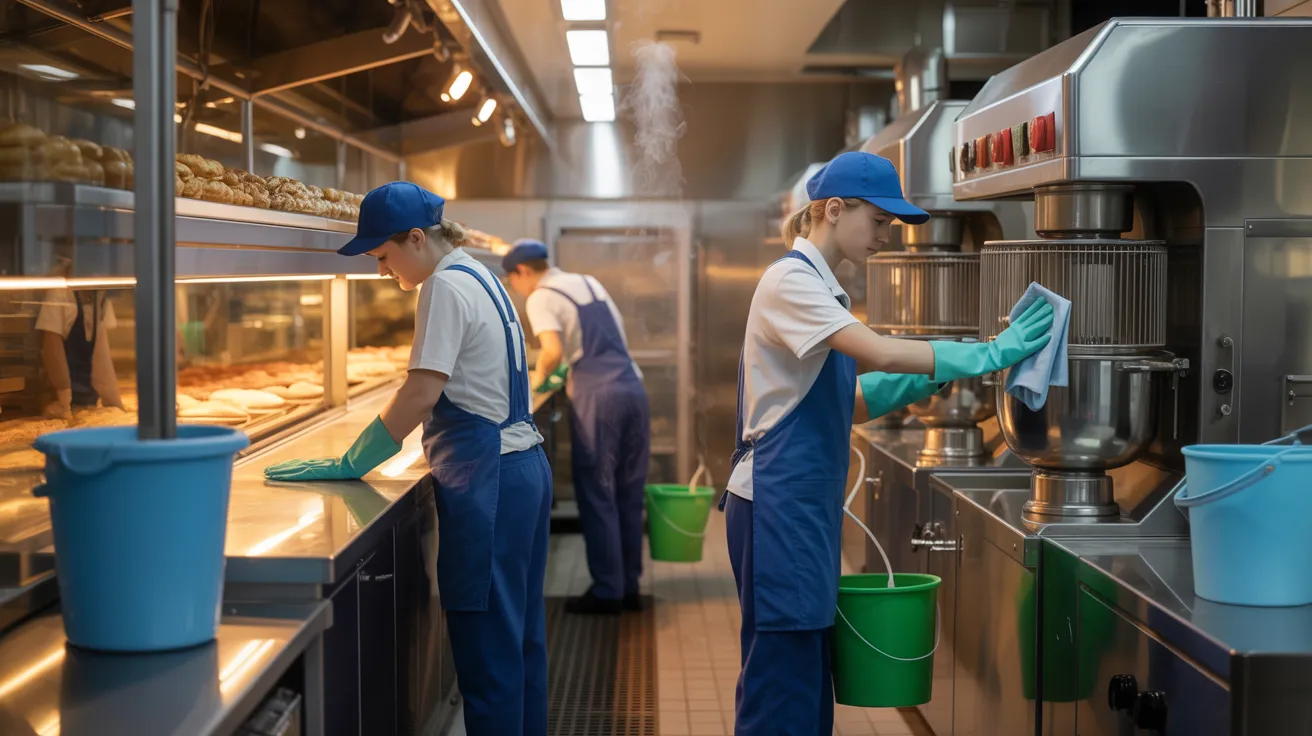
Brampton food safety and commercial cleaning experts help you keep dining establishments, food distribution centers, baking facilities, warehouses, and mobile food operations sanitized to standards. They disinfect high-touch points, food-contact surfaces, equipment, floors, drains, restrooms, and prep zones using certified sanitizers, correct dilution, and verified exposure periods. in maintaining restaurants, commissaries, bakeries, warehouses, and food service units to code. They disinfect frequently touched areas, food preparation zones, equipment, floors, drains, restrooms, and prep areas with approved chemicals, proper dilution, and documented exposure durations.
Main Points
- Brampton food safety cleaning experts service restaurants, grocery departments, commissaries, warehouses, bakeries, schools, mobile vendors, and allergen-sensitive operations.
- High-touch surfaces, food-contact equipment, kitchens, floors, drains, restrooms, and storage areas are cleaned using sectional methods to avoid cross-contamination.
- Approved sanitizer dilution, appropriateness, and contact time are checked by qualified specialists, with completion recorded via samples, audits, and remedial documentation.
- Proper maintenance calendars consider risk, production rate, format changes, accidents, and standards when allocating regular, periodic, and cyclical tasks by section.
- Prioritize suppliers exhibiting hazard analysis knowledge, public-health knowledge, WHMIS preparation, protection, testimonials, colour-coded equipment, and compliance-ready hygiene records.
Which Brampton Operations Need Food Safety Cleaning?
Brampton facilities that process, store, prepare, package, or distribute food require food safety cleaning. Implement it if your establishment is subject to public health inspection, food premises regulations, or internal HACCP-based controls. The requirement covers food venues, break rooms, supply centers, retail departments, butcheries, seafood areas, stores, and facility food prep.
You'll also need proper hygiene protocols in warehouses, food manufacturing plants, cold storage sites, retail bakeries, school nutrition programs, banquet halls, and meal delivery hubs. Mobile and temporary businesses count as well, like mobile kitchens, market vendors, and seasonal booths. If your team work with ingredients, section ready-to-serve foods, heat meals, or keep allergens stored, your facility requires written cleaning standards. In Brampton, sanitation stays necessary; it forms regulatory, business, and safety adherence.
What Do Brampton Cleaning Professionals Handle?
You need professional cleaners who sanitize high-touch surfaces, kitchen areas, floor surfaces, and restrooms to comply with food safety and health regulations. They focus on these spaces because they present the highest risk for cross-contamination, slip hazards, and sanitation breaches.
Knowing their service areas enables you to validate your operation's sanitation satisfies required standards and regulations.
High-Touch Surface Sanitizing
Professional cleaning in Brampton providers highlight high-touch surface cleaning considering the risk of bacteria, viruses, and food residue transferring across your facility. You must have a formal plan for sterilizing all high-touch items including handles, plates, switches, railings, control surfaces, POS systems, and refrigeration equipment. Employing surface identification mapping, experts pinpoint every regularly used area and set cleaning schedule
in cases where outcomes are beyond acceptable standards. Furthermore, they prevent contamination spread by rotating cleaning materials, using one-way workflows
Food Prep Areas, Flooring, and Sanitary Facilities
Professional cleaners in Brampton prioritize kitchens, floors, and restrooms given that each location involves distinct food safety, slip-and-fall, and health code requirements. In industrial kitchens, you need degreasing on cook lines, equipment exteriors, drains, prep surfaces, and splash zones to minimize bacterial growth and pest activity.
Documented floor care is likewise provided as part of the service.
For restroom sanitation, cleaners sanitize high-touch surfaces, bathroom fixtures, stall dividers, supply dispensers, and trash receptacles, then restock supplies and control odours. They also maintain restaurant cleaning supply rooms where product storage, sink cleanliness, and drain systems impact daily sanitation standards and worker protection.
Why Food Safety Cleaning Matters in Brampton
Brampton operations require food-safe cleaning standards to fulfill health code requirements and pass audits. You also reduce bacterial spread through proper cleaning of food-preparation surfaces, appliances, and frequently-touched items. Most importantly, you help protect community wellness by reducing the chance of food poisoning in your establishment.
Sanitary Standards Adherence
Food operations in Brampton face stringent health requirements, making food safety cleaning crucial to fulfilling health code requirements, defending patrons, and sidestepping enforcement action. You must maintain sanitized food contact points, verifiable cleaning logs, safe chemical management, and auditable operational standards that correspond to municipal and provincial inspection expectations.
Diligent hygiene practices promotes cross-contamination prevention by reducing particles on shared equipment plus commonly contacted zones. If your cleaning standards slip, you risk notices, corrective directives, reputational damage, and possible interruption to service during further inspections or enforcement actions.
Cross-Contamination Prevention
Maintaining regulatory compliance copyrights on your capacity to prevent cross-contamination during daily food handling and cleaning. You need to partition uncooked items from finished dishes, sanitize prep surfaces between tasks, and store chemicals away from food-contact items. Clear procedures reduce transfer risks and reinforce steady regulatory adherence.
You could implement allergen segregation to stop main allergens from reaching common areas, containers, or machinery. Use dedicated cutting boards, color-coded tools, and strict utensil labeling so team members avoid blending products during preparation or service. Enforce washing hands following uncooked meat, fish, egg products, or allergens. Change wiping cloths regularly, and check sanitizer strength with test strips. When you train staff to follow these controls every shift, you create a cleaner, safer operation that matches Brampton's safety requirements daily.
Public Health Protection
When sanitation efforts deteriorate, you don't only risk a failed inspection—you expand the chance of foodborne illness striking customers, staff, and the larger Brampton community. You also undermine your responsibility in protecting public health, especially in busy food facilities where pathogens travel quickly through surfaces, equipment, and touchpoints.
You require sanitation protocols that remove contaminants, sanitize properly, and confirm effectiveness. This involves adhering to contact periods, utilizing approved disinfectants, logging schedules, and training employees to satisfy health-unit expectations. These mechanisms support pathogen reduction by decreasing microbes before reaching food or hands. Across Brampton, effective sanitation protects at-risk populations, limits outbreak risk, and demonstrates accountability. When you maintain proper protocols, you go beyond requirements—you substantially lower hazards and enable safer food service city-wide.
In What Ways Does Cleaning Help Achieve Food Safety Compliance?
Following strict sanitation practices bolsters food safety compliance by decreasing contamination threats, preventing pathogen multiplication, and positioning your facility in accordance with sanitation requirements under HACCP-based programs and public health regulations. You verify that contact surfaces stay visibly clean and microbiologically controlled, facilitating documented preventive controls and inspection readiness.
Cleaning efforts additionally fortify allergen mitigation by clearing residues that can lead to undeclared allergen material exposure.
What's the Ideal Time to Plan Commercial Cleaning?
maintenance activities.
facility shutdowns, weather-related soil accumulation, or pest-control pressure timeframes.
How Do You Choose Brampton Cleaning Experts?
Evaluate providers first by sanitation compliance standards rather than cost. You must ensure each provider understands CFIA, public health, and HACCP requirements for your business. Request insurance proof, WHMIS compliance, staff training documentation, and supervision methods. Check technician awareness of cross-contamination risks, chemical safety, and traceable sanitation records.
You should also assess business dependability and responsibility. Request references from food facilities in Brampton, then examine turnaround periods, corrective-action procedures, and communication standards. Confirm the company participates in supplier audits and can present audit-ready records when regulators or third parties request evidence. Check whether equipment maintenance is performed, colour-coded tools are used appropriately, and site-specific hazards are recognized. A competent service protects regulatory adherence, product quality, and your brand reputation.
What aspects should a sanitation plan include?
Create a documented strategy that defines every sanitation duty, guideline, and expectation prior to beginning production. You should document cleaning schedules, authorized products, mixing ratios, exposure periods, equipment, and testing procedures for each zone, surface, and piece of equipment. Be sure to include pre-operational inspections, corrective actions, and employee training requirements.
Your plan should also address contamination prevention controls, waste handling procedures, pest management measures, and written schedules for rest areas, drains, flooring, and food-contact surfaces. Detail how you'll keep raw and ready-to-eat processes separate, support ingredient tracking, and ensure accurate allergen labeling through validated cleaning between product changes. You should set accountability, maintain signed records, and assess results against regulatory standards, HACCP controls, and customer requirements. When gaps appear, modify procedures immediately and retrain staff.
Frequently Posed Questions
Can cleaning services support nighttime operations in Brampton facilities?
Yes, you can book sanitation coverage to support overnight shifts in Brampton facilities. You'll coordinate nighttime cleaning around production schedules, access requirements, and staffing levels. Providers generally create nighttime procedures to minimize disruption, stay compliant, and record finished tasks. You should verify response times, management, access procedures, and disposal procedures before starting service.
Do Brampton cleaning experts provide emergency spill response solutions?
Yes, you can find many Brampton cleaning professionals offering spill containment options. They manage hazardous materials, assess dangers, contain affected areas, and execute rapid cleanup to minimize risk and prevent disruption. You should confirm timeframes, certifications, protocols, and disposal methods. If your facility needs compliance, pick a provider that logs events, maintains standards, and supports audits.
Will plant-based disinfectants sanitize safely food preparation areas?
Absolutely, natural disinfectants can be suitable for food-contact surfaces when you select items marked food-safe and complying with regulations. You must confirm contact times, dilution rates, and rinsing needs ahead of deployment. Plant-derived products minimize toxic chemical contact, though you must obtain confirmation of performance against specific pathogens. For maintaining residue free surfaces, implement manufacturer instructions exactly and ensure your cleaning agent complies with food industry regulations.
Do cleaning plans support seasonal variations?
Without question, sanitation programs are highly adaptable for seasonal shifts. Adapt intervals, personnel, chemicals, and verification steps to fit seasonal workflows while maintaining regulatory adherence. Lower production downtime by scheduling sanitation surrounding changeovers, peak seasons, and equipment use patterns. Additionally revise standard operating procedures, employee training, and facility monitoring to reflect seasonal hazards, novel allergens, or higher contamination levels. Ongoing evaluations maintain your schedule effective.
Do professional cleaners coach your team in proper hygiene techniques?
Indeed, professional cleaners often offer staff training on proper hygiene. Your staff receives instruction on proper chemical use, contact times, cross-contamination prevention, equipment disassembly, and record-keeping. They typically follow instruction with HACCP, GMP, and CFIA or local public health requirements. Many perform compliance inspections to verify compliance, identify gaps, and reinforce corrective actions. This assists you to maintain consistent procedures, achieve compliance, and decrease foodborne illness risks on a daily basis.
Closing Remarks
Partnering with Brampton commercial cleaning and food safety professionals goes beyond tidying—it guarantees your operation meets inspection standards and your protocols are defensible. From processing facilities to kitchens, each cleaned area and organized section reduces health hazards and prevents major expenses. By scheduling maintenance at suitable frequencies and implementing a thorough cleaning program, you shield staff, your customers, and your reputation. In a heavily regulated sector, clean environments are non-negotiable—they're critical to business success.